Seamos claros: compararte con otros no es algo raro, es casi automático. Te levantas, abres el móvil “solo un momento” y en menos de cinco minutos ya estás evaluando tu vida frente a la de alguien más. Y lo peor no es que lo hagas, sino cómo te hace sentir después.
A Luis le pasa todos los días. Ve historias de gente viajando, trabajando en cosas “perfectas”, con relaciones estables y cuerpos impecables. Y sin darse cuenta, empieza a pensar que su vida va atrasada. Que debería estar en otro punto. Que no es suficiente.
Pero aquí está la verdad: puedes dejar de compararte con otros y empezar a enfocarte en tu vida sin vivir en constante insatisfacción. No es magia ni motivación barata. Es estrategia, hábitos y mentalidad.
Table of Contents
Por qué te comparas con los demás (aunque no quieras)

La tendencia a compararse no apareció con las redes sociales. Viene de mucho antes. Tu cerebro está diseñado para evaluar tu posición frente a otros como una forma de entender tu entorno.
El problema es que hoy esa comparación social está completamente fuera de control. Antes te comparabas con un grupo pequeño. Ahora lo haces con cientos o miles de personas al día.
Eso genera:
- comparaciones constantes
- pensamientos negativos
- una sensación persistente de que vas por detrás
Y aunque sepas que no deberías hacerlo, sigues cayendo en lo mismo.
El problema real de compararte constantemente

Compararte no es solo un mal hábito. Tiene consecuencias reales.
Cómo afecta la comparación a tu autoestima
Cuando te comparas, rara vez lo haces con alguien “promedio”. Tu mente elige a personas que están mejor en algún aspecto. Más dinero, mejor físico, más éxito.
Resultado:
- baja autoestima por comparación
- inseguridad personal
- sensación de no sentirte suficiente
Es un juego que no puedes ganar, porque siempre habrá alguien que parezca estar mejor.
Redes sociales: el detonante principal
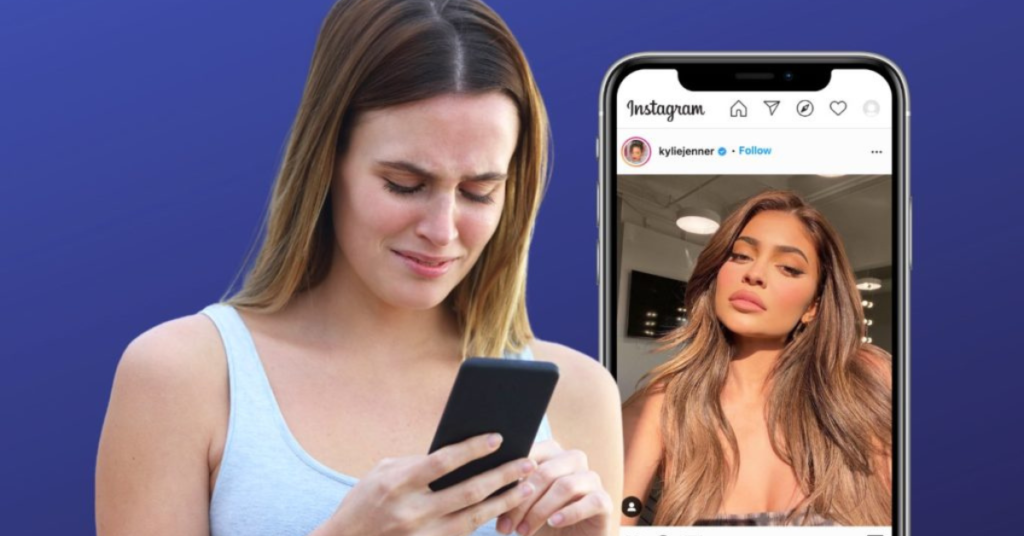
No hay que darle muchas vueltas. Las redes sociales amplifican el problema.
Marta, por ejemplo, empezó a notar que cada vez que usaba Instagram terminaba sintiéndose peor. Veía vidas perfectas en redes y asumía que eso era lo normal.
Pero lo que no veía era:
- los filtros
- los momentos seleccionados
- la edición constante de la realidad
La comparación en redes sociales crea una ilusión. Y cuando comparas tu vida real con una versión editada de la vida de otros, siempre sales perdiendo.
Esto provoca:
- ansiedad por compararte
- presión social
- insatisfacción personal
Señales de que te estás comparando demasiado

A veces el problema no es evidente hasta que te paras a observarte.
Estas son algunas señales claras:
- Revisas redes sociales y tu estado de ánimo empeora
- Sientes que todos avanzan menos tú
- Te comparas incluso con amigos cercanos
- No valoras tu progreso personal
- Siempre piensas que podrías estar haciendo más
Si te reconoces en varios puntos, no es casualidad. Es un patrón.
Cómo dejar de compararte con otros (paso a paso)

This is where most people fail. It’s not enough to just say «stop doing it.» You need a clear system.
1. Identify your triggers
You don’t compare yourself all the time, you do it at specific moments.
Could be:
- when you use social media
- when talking to certain people
- in moments of boredom or insecurity
Identifying those moments is key to changing the habit of comparing oneself.
2. Shift your focus to your personal progress
As long as you keep looking outwards, there will always be someone better.
The alternative is simple, but powerful:
focus on your own progress.
Ask yourself:
- Am I better than I was a month ago?
- Have I made progress on anything important to me?
When you change your reference point, your perception changes.
3. Reduce comparison on social media
There’s no need to disappear from the digital world, but it is necessary to set limits.
Some practical actions:
- Stop following accounts that create insecurity
- limits usage time
- Avoid unintentional automatic consumption
This reduces exposure to stimuli that fuel online comparison.
4. Practice gratitude consciously
Gratitude isn’t just writing down three things without thinking. It has to be specific.
For example:
- recent personal achievements
- small but steady progress
- aspects of your life that already work
This trains your mind to focus on what you have, not on what you lack.
5. Define clear personal goals
When you have no direction, you end up looking at others’.
Having personal goals gives you focus.
They don’t have to be perfect, but they do have to be yours. That completely changes the way you perceive your life.
Ejercicios prácticos para dejar de compararte

Taking action is what makes the difference.
Exercise 1: List of achievements
Write down at least 10 things you have accomplished in the last few years.
Includes:
- personal achievements
- career advancement
- changes in habits
This reinforces your perception of progress.
Exercise 2: Comparison pause
For three days:
- Minimize your use of social media
- Avoid content that makes you compare yourself
It’s a small «mental reset» that helps break the pattern.
Exercise 3: Mental reframing
Every time you compare yourself, change your mindset.
Rather:
“That person is better than me”
Say:
“That person is at a different point, I am building mine.”
It may seem simple, but it works if you repeat it.
Cómo enfocarte en tu vida y avanzar
Dejar de compararte es solo el primer paso. El siguiente es construir enfoque.
Para lograrlo necesitas:
- hábitos positivos
- claridad en tus objetivos
- consistencia en el tiempo
David, por ejemplo, se dio cuenta de que pasaba más tiempo mirando la vida de otros que trabajando en la suya. Decidió cambiar eso.
Empezó con pequeños hábitos:
- leer 10 minutos al día
- trabajar en un proyecto personal
- reducir el consumo de redes
No cambió su vida en una semana, pero sí cambió su dirección.
Historia real: cómo Ana dejó de compararse
Ana vivía en comparación constante. Redes sociales, trabajo, amigos. Siempre encontraba a alguien que parecía estar mejor.
Eso le generaba:
- inseguridad
- frustración personal
- ansiedad
Un día decidió hacer cambios concretos:
- dejó de seguir cuentas que le afectaban
- empezó a enfocarse en su desarrollo personal
- definió metas realistas
Tres meses después, no era una persona completamente distinta, pero sí más tranquila.
Había menos comparación, más enfoque y más bienestar emocional.
La verdad sobre compararte (nadie te lo dice)
Compararte no es completamente negativo.
En algunos casos puede ayudarte a:
- identificar áreas de mejora
- inspirarte
- establecer referencias
El problema aparece cuando la comparación se vuelve constante y destructiva.
Cuando afecta tu autoestima, deja de ser útil.
Preguntas frecuentes
Is it normal to compare yourself to others?
Yes, it’s a natural tendency. The problem is when it becomes constant and affects your emotional well-being.
How to stop comparing yourself on social media?
Reduce your usage time, filter the content you consume, and focus on your personal progress.
Why do I compare myself so much to others?
This phenomenon is the result of a lack of confidence in one’s own abilities, a low self-esteem, or frequent viewing of digital platforms.
How is it possible to direct attention towards one’s own activities?
Set individual goals, establish repeatable actions with beneficial effects, and evaluate your personal progress. Avoid comparing your situation to that of others .
Pensamientos finales
Dejar de compararte con otros no ocurre de un día para otro. Es un proceso que requiere atención y práctica.
Pero cada vez que decides:
- enfocarte en ti mismo
- valorar tu progreso personal
- dejar de medir tu vida con la de otros
estás avanzando.
No necesitas ser perfecto. No necesitas ir más rápido que nadie.
Solo necesitas avanzar en tu propio camino.

Hola, soy Ahsan Sheikh, fundador y autor de HolaLifestyle. Escribo sobre bienestar, estilo de vida, belleza, hogar, viajes y otros temas relacionados con la vida cotidiana.
Investigo cada tema antes de escribir y procuro presentar la información de forma clara y práctica. Cuando un artículo requiere conocimientos especializados o información que debe estar respaldada por fuentes fiables, consulto fuentes institucionales, publicaciones académicas y otros recursos relevantes según el tema.
Reviso y actualizo los artículos cuando es necesario para mantener la información útil y precisa. Si detectas algún error o quieres hacer una sugerencia sobre un artículo, puedes ponerte en contacto conmigo a través de la página de contacto de HolaLifestyle.