
En el diseño de la vida cotidiana no existen elementos que faciliten que la mente esté en un estado de tranquilidad. Por las obligaciones del empleo, el uso de plataformas digitales, los avisos sonoros de los dispositivos y la exigencia de “aprovechar el tiempo”, la mente casi nunca se encuentra en reposo. Debido a esto un número creciente de individuos realiza la actividad de viajar sin compañía, lo cual se consideraba antes como una situación que causaba molestia o que era poco común.
Asímismo, los efectos positivos que viajar sin compañía produce en el bienestar psicológico no son una moda de corta duración ni tampoco son frases repetidas sin profundidad en los medios digitales. Son reales, profundos y, en muchos casos, transformadores.El acto de trasladarse a un sitio distinto no es el único objetivo, pues el propósito es modificar el vínculo que una persona mantiene con su propia identidad. En este texto están las razones por las que realizar un desplazamiento sin compañía aumenta el estado de equilibrio en las emociones. Por este medio se explica la forma en que esta actividad genera efectos en el órgano cerebral y los sucesos que ocurren si alguien elige realizar esta acción.
Table of Contents
Por qué viajar solo está ganando tanta popularidad?
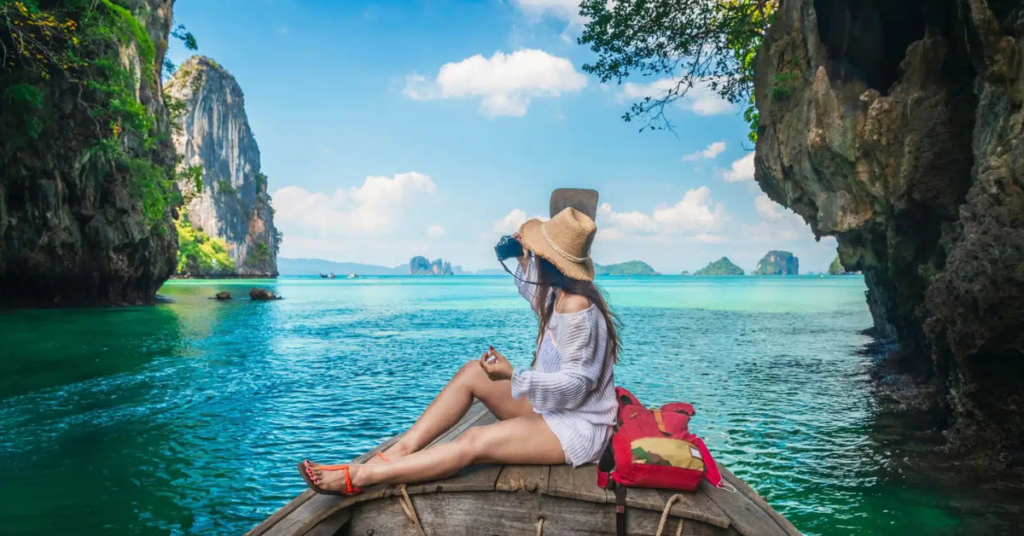
Durante años, viajar se ha asociado con compartir: amigos, pareja, familia. Sin embargo, eso también implica adaptarte constantemente a los demás. Horarios, decisiones, gustos… todo se negocia.
Cuando viajas solo, todo eso desaparece.
Y ahí es donde empieza el cambio.
Viajar sin compañía te obliga a enfrentarte a algo que muchas personas evitan: estar contigo mismo sin distracciones. No hay conversaciones que tapen tus pensamientos, ni compromisos sociales que te saquen de tu mundo interno.
Al principio puede incomodar. Pero después se convierte en libertad.
En un contexto donde el estrés y la ansiedad están en aumento, viajar solo se ha convertido en una forma directa de recuperar equilibrio emocional.
Principales beneficios de viajar solo para tu salud mental
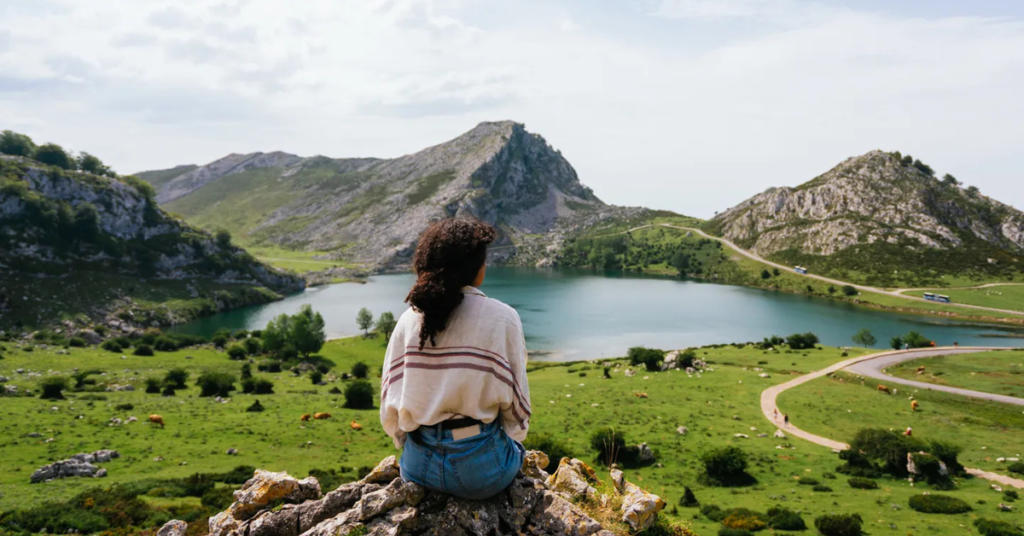
The psychological benefits of traveling alone are not superficial. It’s not just about «feeling good» for a few days. We’re talking about real changes in how you think, act, and manage your emotions.
Improves self-awareness
One of the most important benefits of traveling alone is self-knowledge.
In your daily life, you’re surrounded by constant stimuli: opinions, expectations, routines. All of that influences how you act. But when you travel alone, that noise disappears.
You start asking yourself things like:
- What do I really want to do?
- What do I like without the influence of others?
- How do I react to the unknown?
That kind of reflection doesn’t usually happen in routine.
Traveling alone creates the perfect space to observe yourself without filters. And that has a direct impact on your psychological well-being.
Reduces stress and anxiety
Changing your environment has an immediate effect on stress.
When you break out of your routine:
- It reduces mental pressure.
- repetitive patterns are broken
- the feeling of being overwhelmed is reduced
Getting away from routine is helpful for interrupting the repetition of recurring thoughts that typically increase anxiety. It’s not uncommon for many people to return from a trip feeling as though they’ve «reset» their mental capacity.
Increases self-confidence
When you are alone in a new environment, every decision depends on you.
From simple things like choosing where to eat, to resolving unexpected problems. Everything adds up.
And every small decision reinforces something key: self-confidence.
Thinking you can handle situations is not the same as actually doing it.
Traveling alone exposes you to real challenges, and that builds a confidence that is difficult to achieve in the comfort of the familiar.
Promotes emotional independence
One of the most profound changes that comes from traveling alone is emotional independence.
You stop depending on others to:
- feeling accompanied
- enjoy an experience
- making decisions
You learn that you can be okay with yourself, without constant need for external validation.
That feeling of freedom not only improves your well-being during the trip, but also when you return to your daily life.
Improves mental clarity
In your daily life, your mind is overloaded. Thoughts, pending tasks, worries.
Traveling alone reduces that noise.
Without so many distractions, your mind begins to clear. It’s like doing an internal cleaning.
Many people experience:
- greater mental clarity
- improved decision-making ability
- feeling of calm
It’s not something mystical. It’s simply the result of having fewer stimuli and more mental space.
It forces you to step out of your comfort zone
Stepping out of your comfort zone sounds good in theory, but in practice it’s difficult.
Traveling alone pushes you straight out of it.
You have to adapt, improvise, and find solutions. And although it may be uncomfortable at first, this process strengthens your emotional resilience.
You realize you can handle situations that previously seemed difficult. And that changes how you see yourself.
Boosts personal growth
Personal growth through travel is not just an attractive idea. It is a natural consequence of the process.
When you are exposed to new cultures, people, and situations:
- broaden your perspective
- you question beliefs
- you develop new skills
All of this contributes to a more solid personal development.
You don’t come back the same person. And that’s one of the biggest benefits.
Cómo viajar solo impacta tu cerebro
Cuando una persona viaja sin compañía, su cerebro experimenta cambios en su biología.
Si las vivencias son nuevas, estas activan la dopamina, la cual es un neurotransmisor que se relaciona con la sensación de bienestar y con el impulso para actuar.
As y cuando las personas exploran entornos desconocidos, el cuerpo produce una respuesta de entusiasmo.
Al mismo tiempo los niveles de cortisol son menores porque el estrés es reducido.
Due a este proceso, el estado de la mente es más equilibrado y tranquilo.
And cuando una persona está ante situaciones que no conoce, el cerebro activa la neuroplasticidad.
Por medio de este proceso, el órgano crea conexiones entre las neuronas que no estaban presentes antes.
El viaje individual modifica el estado emocional y también transforma la forma en que la mente opera.
Miedos comunes al viajar solo

It’s normal to have doubts before doing it. In fact, almost everyone goes through the same thing.
Fear of loneliness
At first, it might feel awkward. Not having anyone to talk to or share moments with.
But over time, that loneliness transforms into tranquility. You learn to enjoy your own company.
Fear of insecurity
Safety is a valid concern. But with basic planning, the risk is significantly reduced.
Choosing suitable destinations, getting informed and taking precautions is enough in most cases.
Fear of the unknown
This is the most common one. And also the most important.
Because that’s precisely where the growth is.
Everything that makes you doubt before the trip is what transforms you during it.
Consejos para viajar solo por primera vez
Si estás considerando hacerlo, no necesitas complicarte.
Empieza con algo simple.
- Elige un destino seguro y accesible
- Reserva alojamiento con buenas referencias
- Planifica lo básico, pero deja espacio para improvisar
- Mantén contacto con alguien de confianza
- Escucha tu intuición
Y sobre todo, acepta que no todo saldrá perfecto.
Viajar solo no se trata de controlarlo todo, sino de aprender a adaptarte.
Viajar solo es para todo el mundo?
No necesariamente. Pero eso no significa que no valga la pena intentarlo.
Hay personas que prefieren viajar acompañadas, y está bien.
Sin embargo, incluso quienes disfrutan viajar en grupo suelen encontrar en el viaje en solitario una experiencia diferente, más profunda.
No se trata de elegir uno u otro. Se trata de probar y descubrir qué te aporta cada experiencia.
Pensamientos finales
Los beneficios de viajar solo para tu salud mental no son exagerados ni idealizados.
Son reales.
Viajar solo te obliga a parar, a pensar, a sentir. Te enfrenta a ti mismo sin distracciones. Y eso, aunque incómodo al principio, termina siendo liberador.
No necesitas un gran presupuesto ni un destino lejano. Solo necesitas la decisión de hacerlo.
Porque al final, no se trata solo de viajar. Se trata de entenderte mejor, de ganar confianza y de recuperar una parte de ti que muchas veces se pierde en la rutina.

Hola, soy Ahsan Sheikh, fundador y autor de HolaLifestyle. Escribo sobre bienestar, estilo de vida, belleza, hogar, viajes y otros temas relacionados con la vida cotidiana.
Investigo cada tema antes de escribir y procuro presentar la información de forma clara y práctica. Cuando un artículo requiere conocimientos especializados o información que debe estar respaldada por fuentes fiables, consulto fuentes institucionales, publicaciones académicas y otros recursos relevantes según el tema.
Reviso y actualizo los artículos cuando es necesario para mantener la información útil y precisa. Si detectas algún error o quieres hacer una sugerencia sobre un artículo, puedes ponerte en contacto conmigo a través de la página de contacto de HolaLifestyle.