
Es importante establecer desde el inicio que las personas no requieren despertar a las 5:00 a. m. para que su vida sea organizada, eficiente y activa. Si usted en algún momento buscó imitar el hábito de un individuo que afirma que “la magia ocurre antes del amanecer” y el resultado fue que desactivó tres avisos sonoros consecutivos, este texto es adecuado para su situación.
La mayoría de la gente que busca una rutina de mañana realista para personas que no son madrugadoras no quiere convertirse en otra persona. Quiere algo que funcione con su energía real, su horario y su vida. Algo sostenible. Algo que no se derrumbe el tercer día.
Aquí vas a encontrar justo eso: una guía práctica, directa y sin idealizaciones para construir una rutina de mañana para no madrugadores que puedas mantener incluso cuando no tienes ganas.
Table of Contents
Por qué la mayoría de las rutinas de mañana fallan

The myth of getting up early
The internet has turned waking up early into a kind of badge of honor. But waking up early doesn’t guarantee a productive morning routine. If you didn’t sleep well or your body isn’t ready, all you’ll achieve is starting the day with even less energy in the morning.
Many people who say «I want to change my life» actually end up more tired because they try to force themselves into a schedule that doesn’t fit their rhythm.
Unrealistic expectations
Another common problem: trying to do too much. Getting up, meditating, exercising, reading, writing, planning… all in one hour. It sounds good in theory, but in practice it’s unsustainable.
A simple morning routine always wins against a perfect routine.
Lack of personal adaptation
If you find it hard to get up early, then copying the routine of someone who enjoys waking up early is pointless. A realistic morning routine adapts to you, not the other way around.
Qué significa realmente una rutina de mañana realista

Una rutina de mañana sin madrugar no es una versión “inferior” de las rutinas clásicas. Es una versión más inteligente.
Se basa en tres principios:
• Simplicidad: pocos hábitos, bien hechos
• Flexibilidad: adaptada a tu horario real
• Consistencia: repetible incluso en días malos
En lugar de buscar perfección, buscas continuidad. Una rutina diaria realista no depende de motivación extrema, sino de estructura sencilla.
Rutina de mañana paso a paso sin madrugar

Here’s a step-by-step morning routine designed specifically for people who aren’t early risers.
1. Wake up without pressure
Don’t jump out of bed like it’s a competition. If you usually wake up tired, give your body a few minutes to wake up.
You can sit still, stretch out, or simply take a few deep breaths. This reduces stress and makes starting your day more manageable.
2. Light movement (5 minutes)
You don’t need a full workout. A little movement is enough to get your body moving.
• Stretching
• Walking around the house
• Basic mobility
This improves your energy in the morning without requiring excessive effort.
3. Avoid using your mobile phone when you wake up
Here comes one of the biggest changes. Starting your day with social media fragments your attention from the very first minute.
It’s not about getting rid of your phone, but about using it intentionally. A practical morning routine protects your first few minutes of the day.
4. Quick focus (2–5 minutes)
One of the most effective ways to improve your day is to decide what you are going to do before you start.
Can:
• Write down 3 key tasks
• Review your schedule
• Define a priority
This turns your morning into a productive morning routine without adding complexity.
5. Gentle mental activation
You don’t need to read 20 pages or write a long journal. A small habit is enough.
Examples:
• Think about a goal for the day
• Read something short
• Drink water and open the window
These types of actions help create an easy morning routine that does not generate resistance.
Ejemplo de rutina de mañana en menos de 30 minutos
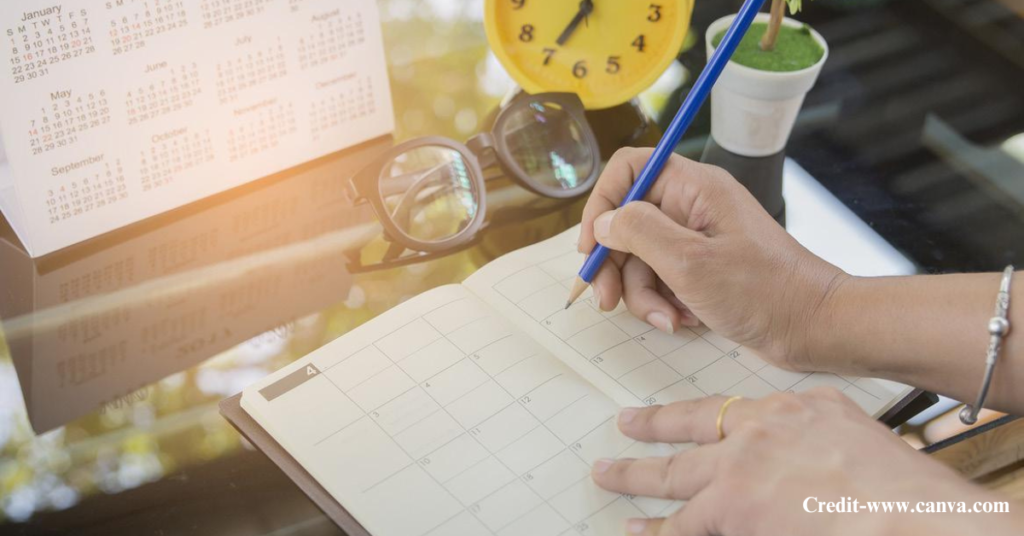
Una rutina de mañana en menos de 30 minutos es ideal si tienes poco tiempo o poca energía.
• Minuto 0–5: despertar tranquilo
• Minuto 5–10: movimiento ligero
• Minuto 10–15: higiene personal
• Minuto 15–20: plan del día
• Minuto 20–30: desayuno o inicio de actividad
Esta estructura funciona porque es simple. No necesitas más para construir una rutina de mañana eficiente.
Rutinas según tu estilo de vida

Not all mornings are the same. Adapting your routine is key.
For busy people
If time is limited, it’s essential to focus on the most important tasks. A quick sequence of actions at the start of the day can be extended to 15 or 20 minutes and still be effective.
To work from home
The biggest mistake here is starting work directly from bed. Creating a transition is key.
A morning routine for working from home should include at least one change of context: getting dressed, moving around, or going outside for some fresh air.
For tired people
If you constantly feel a lack of energy in the morning, start with the bare minimum.
• Awakening
• Water
• Basic Movement
A morning routine for tired people should be easy enough not to generate rejection.
Errores comunes que arruinan tu rutina
Incluso la mejor rutina puede fallar si cometes estos errores:
• Intentar hacer demasiado desde el primer día
• Copiar rutinas que no encajan contigo
• Dormir mal la noche anterior
• Depender solo de la motivación
Una rutina matutina sin presión es más efectiva que una basada en disciplina extrema.
Cómo mantener tu rutina sin motivación
Here’s the key point: motivation is unstable. Structure is not.
To maintain a realistic morning routine, you need to reduce friction.
Make it easy
If your routine is complicated, you’re not going to stick to it. A basic morning routine is more likely to be maintained.
Reduces decisions
The fewer decisions you have to make in the morning, the better. Automating small habits helps create consistency.
Accept imperfection
Not every day will be the same. And that’s okay. The important thing is to come back the next day.
An uncomplicated morning routine is built with repetition, not perfection.
Por qué esta rutina funciona
La razón por la que muchas rutinas fallan es porque ignoran cómo funciona realmente el comportamiento humano.
Una rutina matutina realista funciona porque:
• No exige cambios extremos
• Respeta tu energía
• Se adapta a tu vida
No necesitas levantarte temprano para tener control sobre tu día. Solo necesitas una estructura que puedas repetir.
Preguntas frecuentes
Es posible que una persona ejecute varias tareas de forma sucesiva cuando comienza su jornada si esa persona no se levanta a una hora adelantada?
Sí. Una rutina de mañana sin levantarse temprano puede ser igual de efectiva si está bien estructurada.
Qué cantidad de tiempo es necesaria para una secuencia de acciones al iniciar el día?
Entre 15 y 30 minutos es un periodo que basta para una secuencia de acciones al iniciar el día que sea útil.
Qué hacer si me despierto sin energía?
Empieza con movimiento ligero y evita el móvil. Esto mejora tu energía por la mañana de forma natural.
Es necesario dejar el móvil por completo?
No. Pero reducir su uso al inicio del día mejora el enfoque.
Cómo mantener la constancia?
Hazlo simple. Una rutina de mañana fácil tiene más probabilidades de convertirse en hábito.
Pensamientos finales
Si has llegado hasta aquí, ya sabes algo importante: no necesitas convertirte en una persona madrugadora para mejorar tu vida.
Una rutina de mañana realista para personas que no son madrugadoras no se basa en horarios imposibles ni en hábitos extremos. Se basa en acciones simples, repetibles y adaptadas a tu realidad.
Empieza pequeño. Ajusta lo necesario. Y, sobre todo, mantén lo que funciona para ti.

Hola, soy Ahsan Sheikh, fundador y autor de HolaLifestyle. Escribo sobre bienestar, estilo de vida, belleza, hogar, viajes y otros temas relacionados con la vida cotidiana.
Investigo cada tema antes de escribir y procuro presentar la información de forma clara y práctica. Cuando un artículo requiere conocimientos especializados o información que debe estar respaldada por fuentes fiables, consulto fuentes institucionales, publicaciones académicas y otros recursos relevantes según el tema.
Reviso y actualizo los artículos cuando es necesario para mantener la información útil y precisa. Si detectas algún error o quieres hacer una sugerencia sobre un artículo, puedes ponerte en contacto conmigo a través de la página de contacto de HolaLifestyle.