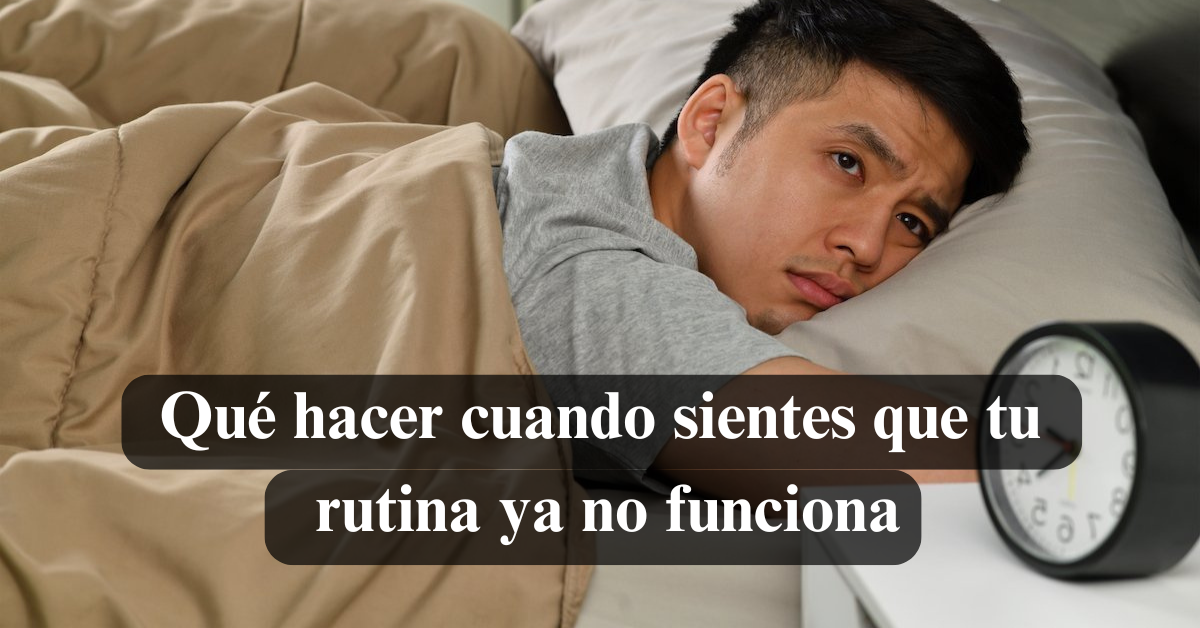
Hubo un momento en el que tu rutina diaria parecía perfecta. Te levantabas con energía, organizabas bien tu tiempo y hasta sentías esa satisfacción rara de tachar tareas de la lista. Pero ahora todo se siente distinto. Las mismas actividades que antes te ayudaban hoy te cansan. La motivación desapareció, la monotonía diaria pesa más de la cuenta y hasta las tareas simples parecen eternas.
Y no, no eres flojo ni “menos disciplinado”. A muchísima gente le pasa lo mismo. De hecho, una rutina que funcionaba hace meses puede dejar de encajar completamente con la vida que tienes hoy. Cambian tus prioridades, tu energía mental, tus responsabilidades e incluso tu salud mental.
El problema es que muchas personas intentan arreglarlo haciendo más cosas, copiando rutinas irreales de internet o castigándose por no ser “productivos”. Y ahí es donde empieza el agotamiento mental.
Si últimamente sientes que vives en automático, este artículo te ayudará a entender por qué pasa y qué hacer para cambiar tu rutina sin convertir tu vida en un caos.
Table of Contents
Por qué una rutina deja de funcionar con el tiempo

La mayoría cree que una buena rutina debería funcionar para siempre. Pero la realidad es otra: las personas cambian constantemente.
Quizás hace un año tenías más tiempo libre, menos estrés diario o una motivación distinta. Hoy tu vida diaria puede verse completamente diferente. Y cuando tus hábitos diarios no evolucionan contigo, empiezan los problemas.
El cerebro también necesita novedad. Hacer exactamente lo mismo durante demasiado tiempo puede generar monotonía diaria y una sensación extraña de vacío. Es como escuchar la misma canción todos los días durante meses. Al principio la disfrutas; después ya ni la notas.
Además, vivimos en una época donde la productividad personal parece competencia olímpica. Ves gente levantándose a las 5 AM, tomando batidos verdes imposibles y trabajando 14 horas como si fueran robots con WiFi emocional. Obviamente, compararte con eso destruye cualquier equilibrio personal.
Laura, por ejemplo, trabajaba desde casa y seguía una rutina súper estricta que vio en TikTok. Durante dos semanas se sintió organizada. Después empezó a sentirse agotada, irritable y sin energía mental. El problema no era falta de disciplina personal; simplemente estaba intentando vivir una rutina diseñada para otra persona.
Eso pasa más de lo que imaginas.
Señales de que tu rutina ya no te está ayudando

Sometimes a tiring routine isn’t immediately noticeable. It accumulates little by little until one day you realize that everything is just too much.
You feel tired even when resting
Sleeping eight hours no longer seems enough. You rest physically, but you’re still mentally exhausted. This often happens when mental stress and daily pressure become constant.
You do everything automatically.
You get up, work, eat, check your phone, and end the day remembering almost nothing. Living on autopilot is one of the clearest signs that you need to change your routine.
You no longer have daily motivation.
Simple tasks begin to feel overwhelming. Even activities you used to enjoy now seem like obligations.
Your personal productivity decreased
Interestingly, many people try to do more when they feel their routine is failing. The result: more emotional exhaustion and fewer results.
You feel constant boredom
It doesn’t matter if you do a lot of things. If everything seems repetitive, your brain probably needs small changes and new routines.
La monotonía puede afectar tu salud mental

Aquí es donde mucha gente se confunde. Creen que el problema es “falta de ganas”, cuando en realidad la rutina diaria puede estar afectando directamente el bienestar emocional.
Una rutina saludable no debería hacerte sentir atrapado.
Cuando pasas demasiado tiempo ignorando el descanso mental, el cuerpo empieza a enviar señales:
- irritabilidad
- falta de concentración
- ansiedad
- cansancio constante
- dificultad para disfrutar cosas simples
Carlos pasó meses intentando recuperar la motivación obligándose a trabajar más horas. Pensaba que la solución era esforzarse más. Pero cuanto más se presionaba, peor se sentía. Al final entendió que necesitaba reorganizar su vida y no simplemente añadir más tareas.
A veces la solución no es hacer más. Es dejar de exigirte como si fueras una máquina.
Diferencia entre disciplina y agotamiento mental

Internet romantizó muchísimo la disciplina extrema. Parece que si no estás ocupado todo el tiempo, estás fracasando.
Pero hay una diferencia enorme entre constancia diaria y agotamiento mental.
La disciplina saludable:
- te ayuda a avanzar
- mejora hábitos
- crea estabilidad
- protege tu equilibrio entre trabajo y vida
El agotamiento:
- elimina tu energía mental
- aumenta el estrés diario
- afecta tu salud mental
- convierte la rutina diaria en una carga
No necesitas una rutina militar para tener éxito. De hecho, muchas veces una rutina flexible funciona mucho mejor a largo plazo.
Cómo identificar qué parte de tu rutina está fallando

Before changing everything, you need to understand what is draining your energy.
Analyze your mental energy levels
Some people function better in the morning, others at night. Organizing your day according to your actual energy levels makes a huge difference.
Detects time-wasting habits
Checking social media every five minutes seems harmless until it destroys your concentration. The same is true for small toxic habits that accumulate.
Notice which activities leave you exhausted
Not all tiredness comes from work. Sometimes the problem is a boring routine or unrealistic personal organization.
Ask yourself something important
Is your daily routine designed to help you or just to survive?
The difference matters a great deal.
Qué hacer cuando tu rutina diaria ya no funciona

Now we’re talking: real solutions.
And no, you don’t need to move to a mountain or become a productivity guru.
Start with small changes
One of the most common mistakes is trying to transform your entire life in a single day.
Not working.
Small changes are more sustainable. For example:
- change your wake-up time
- walk 20 minutes
- work without your mobile phone nearby
- take real breaks
- sleep before
It seems simple because it is. And that’s precisely why it works.
Create a flexible routine
A flexible routine allows you to adapt without feeling guilty.
There are productive days and difficult days. That’s normal. Daily consistency doesn’t mean absolute perfection.
Marta tried to stick to a strict schedule for months. When something went wrong, she felt like she had ruined her whole day. Then she switched to flexible blocks of activities and began to regain her energy and peace of mind.
Eliminate unnecessary habits
Many routines are full of activities that don’t even help.
You don’t need:
- check emails 40 times
- reply to messages instantly
- fill every minute with personal productivity
Mental rest is also part of a healthy routine.
Introduce something new into your daily life
Daily monotony is broken by novelty.
It can be something small:
- listen to different music
- work from another location
- learn a skill
- change your walking route
- try new hobbies
The brain loves new stimuli. Even small changes can improve your personal well-being.
Cómo recuperar la motivación sin depender de la perfección

Daily motivation doesn’t magically appear. Nor does it last forever.
And frankly, expecting to feel constant motivation is like expecting the Wi-Fi to never fail. It sounds nice, but it’s not very realistic.
The important thing is to create sustainable habits even when you don’t feel like it.
Stop striving for perfection
People who maintain new routines for years aren’t perfect. They just know how to adapt.
Reduce daily pressure
When you turn every day into a competition, your brain ends up exhausted.
Sometimes regaining enthusiasm means lowering expectations a little.
Celebrate small victories
Many people quit because they think,
«If I don’t do everything perfectly, it’s not worth it.»
Huge mistake.
Every little bit helps.
Errores comunes al intentar reorganizar tu vida

Change everything at once
The typical impossible list:
- wake up at 5
- do exercise
- read
- meditate
- eat perfectly
- work 12 hours
It lasts three days and then emotional exhaustion sets in.
Copying unrealistic routines from the internet
What works for someone else won’t necessarily work for you.
Your effective personal routine should be tailored to your reality, not to a motivational video with epic background music.
Ignoring mental rest
Many see rest as a waste of time. But without recovery, the exhausting routine only gets worse.
Ideas simples para salir de una rutina aburrida
Aquí van algunas ideas prácticas que ayudan muchísimo:
- trabajar en otro ambiente
- caminar sin mirar el móvil
- dejar espacios vacíos en el día
- reducir tiempo en redes sociales
- crear mañanas más tranquilas
- cambiar horarios rígidos
- hacer una actividad creativa
- tener momentos sin productividad
No necesitas reinventar toda tu vida para sentirte mejor.
A veces solo necesitas dejar de vivir en automático.
Cómo mantener hábitos sostenibles a largo plazo
La clave no es intensidad. Es adaptación al cambio.
Tus hábitos diarios deben evolucionar contigo.
Habrá etapas donde tengas más energía y otras donde apenas puedas mantener lo básico. Y eso no significa fracaso.
Las personas que logran mantener una rutina productiva durante años entienden algo importante: el equilibrio personal vale más que la perfección.
Una rutina saludable debería ayudarte a sentir:
- más claridad mental
- menos estrés diario
- mejor organización personal
- más bienestar emocional
- más control sobre tu vida diaria
No debería hacerte sentir culpable constantemente.
Cuándo una rutina puede afectar tu bienestar emocional
Hay momentos donde el problema ya no es solo organización del tiempo.
Si sientes:
- ansiedad constante
- agotamiento extremo
- tristeza frecuente
- desconexión emocional
- falta total de energía
- estrés mental diario
puede ser buena idea buscar ayuda profesional.
La salud mental importa muchísimo más que cualquier sistema de productividad personal.
Preguntas frecuentes
¿Es normal aburrirse de una rutina diaria?
Sí. El cerebro necesita variedad y estímulos nuevos. La monotonía diaria puede reducir la motivación y aumentar el cansancio emocional.
¿Cómo saber si necesito cambiar mis hábitos?
Si te sientes agotado, desmotivado o vives en automático, probablemente tus hábitos diarios ya no están funcionando bien.
¿Qué hacer cuando pierdes la motivación?
Empieza con cambios pequeños. Intentar cambiar toda tu vida de golpe normalmente genera más estrés mental.
¿Una rutina flexible funciona mejor?
En muchos casos sí. Las rutinas flexibles permiten adaptarte sin sentir culpa cuando algo cambia.
¿Cómo recuperar energía mental?
Dormir mejor, reducir presión diaria, descansar realmente y eliminar hábitos tóxicos ayuda muchísimo a recuperar energía.
Pensamientos finales
Sentirse estancado no significa que estés fallando. Muchas veces simplemente significa que tu vida cambió y tu rutina diaria ya no encaja con quién eres hoy.
Y eso es completamente normal.
No necesitas convertirte en otra persona para recuperar el equilibrio. Tampoco necesitas una rutina perfecta. Lo que realmente funciona son los cambios pequeños, los hábitos sostenibles y una rutina flexible que cuide tu energía mental y tu bienestar emocional.
Porque al final, una buena rutina no debería controlar tu vida.
Debería ayudarte a vivirla mejor.

Hola, soy Ahsan Sheikh, fundador y autor de HolaLifestyle. Escribo sobre bienestar, estilo de vida, belleza, hogar, viajes y otros temas relacionados con la vida cotidiana.
Investigo cada tema antes de escribir y procuro presentar la información de forma clara y práctica. Cuando un artículo requiere conocimientos especializados o información que debe estar respaldada por fuentes fiables, consulto fuentes institucionales, publicaciones académicas y otros recursos relevantes según el tema.
Reviso y actualizo los artículos cuando es necesario para mantener la información útil y precisa. Si detectas algún error o quieres hacer una sugerencia sobre un artículo, puedes ponerte en contacto conmigo a través de la página de contacto de HolaLifestyle.